


A 1975 funk song, a game theory algorithm, and a Cambodian genocide walk into a blog — and somehow they're all talking about your Tuesday. Conflict is inevitable. Combat, it turns out, is entirely optional. You've just never been taught the difference.

Combat Is Optional
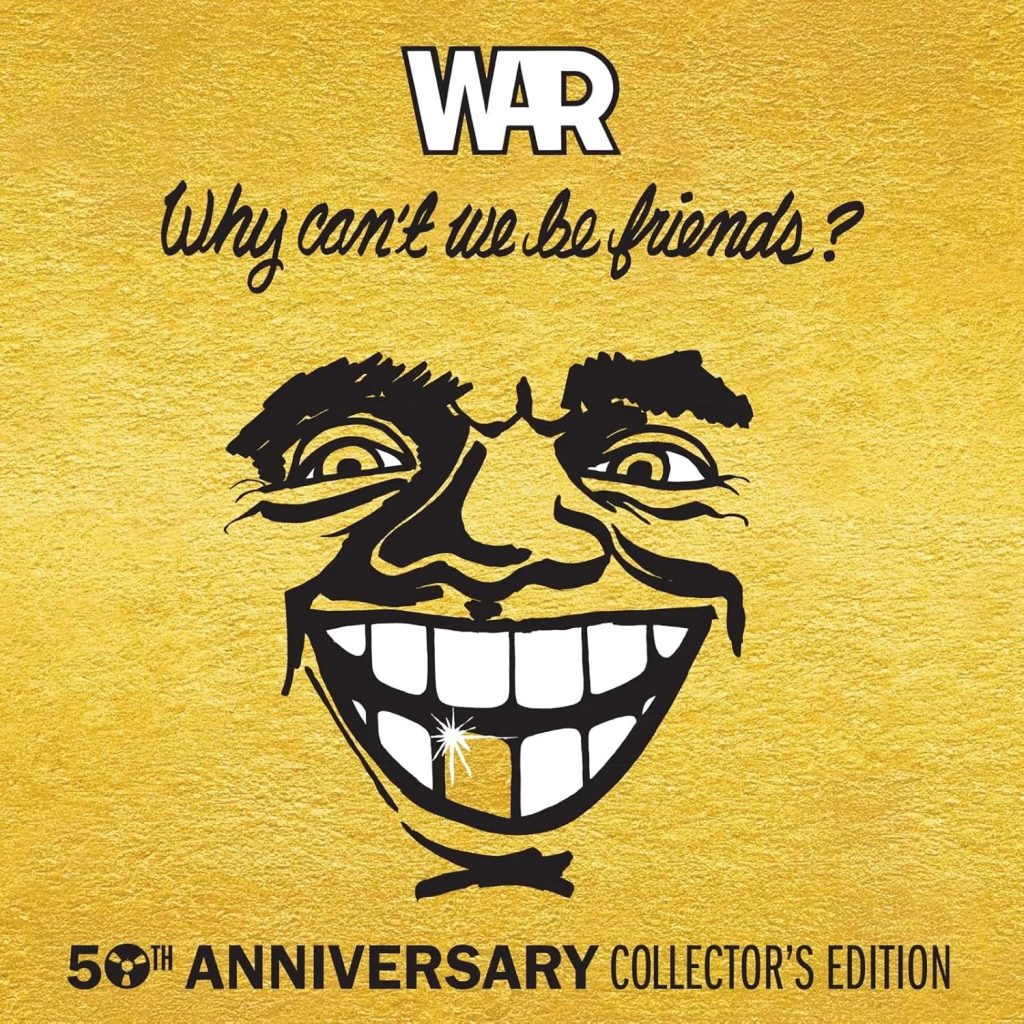
Somewhere between your 7 AM inbox and your kid’s eye-roll at dinner, a 1975 funk song holds the answer to everything. Why Can’t We Be Friends? by War — arguably the most deceptively simple question ever set to a groove — was born out of a brawl at a basketball game and grew into a quiet anthem for a world that keeps choosing the hard way. Fifty years later, the question still stands unanswered. Not because we don’t know the answer. Because we keep choosing combat when we don’t have to.

Here’s what nobody teaches you in high school, business school, or any parenting books: conflict is not the problem. Friction is what being alive and actually caring about something is all about; it’s what proves to us that we are human and special in our world. The problem is what we do with friction: do we run from it, freeze in its midst, or fight?
The Payoff Matrix You’re Running Without Knowing It
“Game theorists” call it the “Prisoner’s Dilemma,” a setup where two rational people both choose outcomes that hurt them because they don’t trust the other side to cooperate. Sound familiar? It should. It’s on TV right now. But closer to home, you’ve been in this game in every boardroom, every negotiation, every text thread with a family member that went sideways. The genius — and the trap — is that the game rewards escalation. Defect first. Hit harder. Don’t be the one who blinks.

But here’s the plot twist that actually changes everything: the mathematically proven winning strategy isn’t aggression. Instead, you start with being kind, mirror defection once, then immediately return to cooperation. It’s not soft. It’s not naïve. It’s the most strategically ruthless thing you can do in a long game. And every meaningful relationship, negotiation, or institution you care about is a long game.

When Leaders Refuse to Design for Resolution
Cambodia under Pol Pot is the extreme, grotesque end of what happens when a leader treats every conflict as a war to be won rather than a problem to be solved. Nearly two million people died because no one would redesign the payoff. Why? Because backing down felt like losing. That is not ancient history. That is the operating system of every toxic workplace, every fractured partnership, and every country currently trending on your news feed.

The mediators — the ones who actually end things — don’t win by fighting harder. They win by quietly changing what “winning” means. This has been the back and forth with Russia and Ukraine; the US has done nothing to end that war, because every time terms get tabled, the definition of “fair and equitable” gets changed, and usually by Russia.
The Real Question

The band “War” asked in 1975, “Why Can’t We Be Friends?” Simple but poignant. Max Lucado reframed it. Game theory proved it mathematically. And yet here we are — still choosing combat when it’s optional, still mistaking exhaustion for strength, still waiting for the other side to go first.
